Our ears work throughout the day, helping us communicate, enjoy music, follow conversations, and stay aware of the world around us. Yet hearing protection is something many people only think about after experiencing ringing, discomfort, or difficulty hearing.
The good news is that everyday choices can help reduce exposure to harmful noise and protect hearing over time.
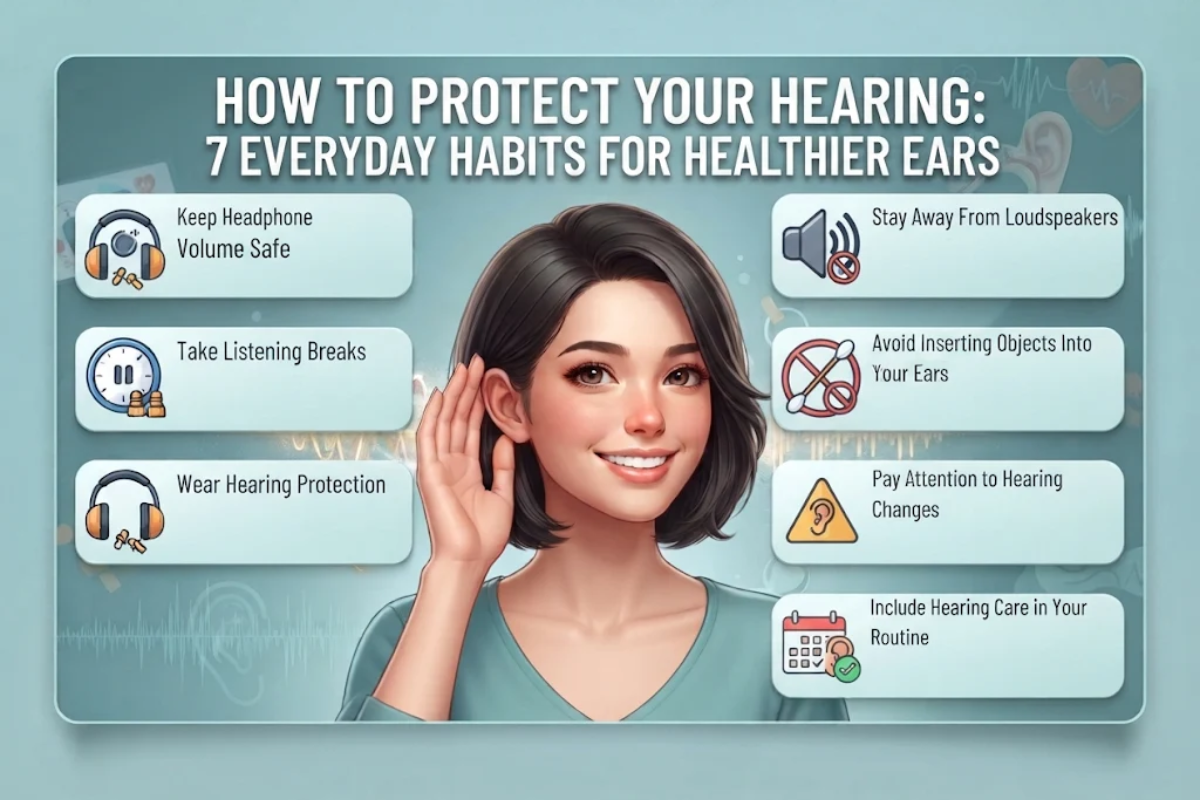
Here are seven practical habits to include in your routine.
1. Keep Your Headphone Volume at a Safe Level
Listening to music, podcasts, and videos through headphones can expose your ears to sound for long periods.
The World Health Organization recommends keeping personal audio device volume below 60% of the maximum as a practical way to reduce risk. The actual risk also depends on sound intensity and listening duration.
Choose a comfortable volume instead of turning it up to overpower surrounding noise.
2. Take Regular Listening Breaks
Listening for long periods without a break increases your total exposure to sound.
Give your ears regular breaks, especially during long work sessions, gaming, or music listening. When possible, switch to speakers at a comfortable volume.
Short breaks are particularly useful in noisy environments.
3. Wear Hearing Protection in Loud Places
Concerts, sporting events, construction areas, and noisy workplaces can expose your ears to high sound levels.
Consider using properly fitted earplugs or earmuffs when exposure to loud noise cannot be avoided. Follow workplace hearing protection instructions when applicable.
4. Move Away From Loudspeakers and Machinery
Distance can make a meaningful difference. Sound intensity generally decreases as you move farther from its source.
At concerts or events, avoid standing directly beside speakers. At home or work, move away from noisy equipment whenever possible.
5. Be Careful With Cotton Swabs
The ear canal has a natural cleaning process. Inserting cotton swabs, hairpins, or other objects deeply into the ear can push wax farther inside or injure the ear canal or eardrum.
Clean only the outer ear gently. If you suspect wax buildup or blockage, ask a healthcare professional about safe removal.
6. Pay Attention to Changes in Your Hearing
Notice whether you are frequently asking people to repeat themselves, struggling to follow conversations in busy places, or turning up the television more than before.
Persistent ringing, buzzing, or difficulty hearing can be reasons to arrange a hearing assessment. Identifying changes early can help you understand what is happening and what steps may be appropriate.
7. Include Hearing Protection in Your Daily Routine
Small habits can become part of a consistent hearing care routine:
- Check your device volume before listening.
- Use hearing protection around loud equipment.
- Take breaks from headphones.
- Keep a comfortable distance from loud sound sources.
- Avoid inserting objects into your ear canals.
- Arrange hearing checks when you notice changes.
These habits help you become more aware of your sound environment and reduce unnecessary noise exposure.
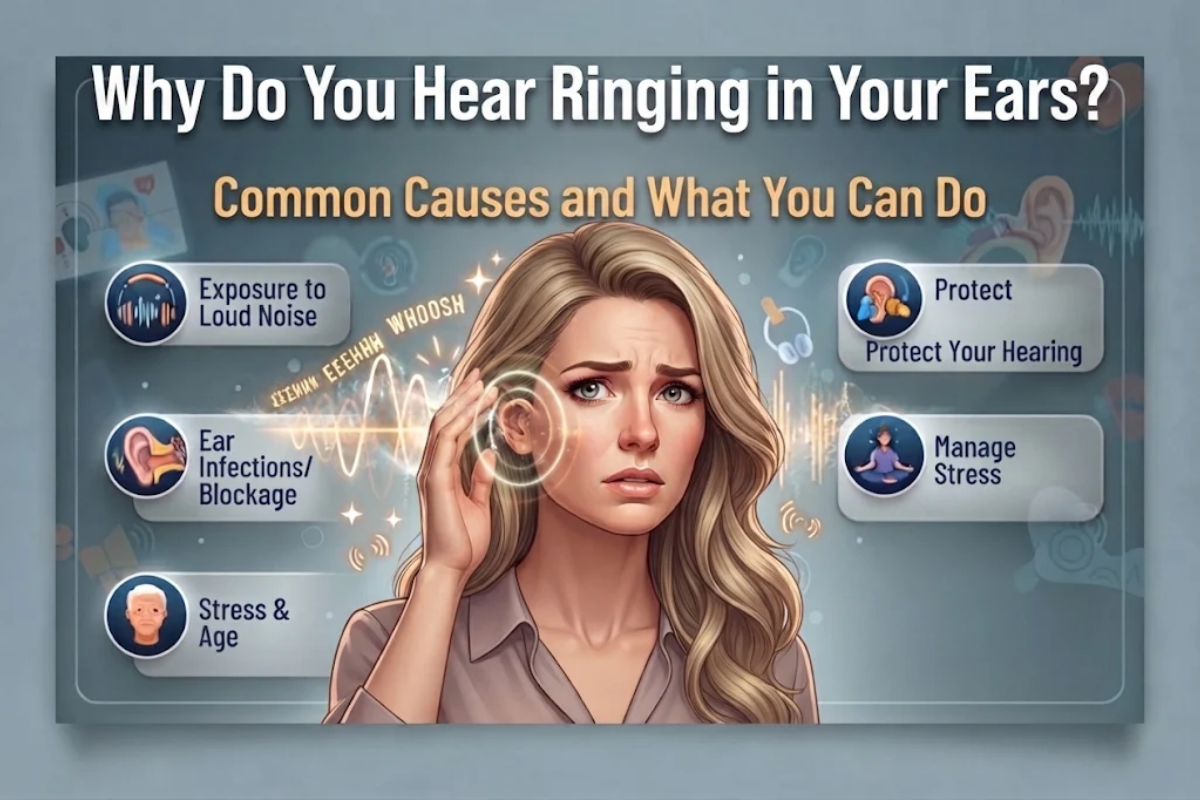
What If You Notice Ringing After Loud Music?
A ringing sound after exposure to loud music can be a warning sign that your ears have experienced excessive noise. Even if the sound fades, it is wise to reduce further exposure and protect your hearing.
If ringing persists, returns frequently, or is accompanied by hearing changes, seek professional evaluation. Sudden hearing loss requires urgent assessment.
Why Hearing Protection Matters
Noise-related hearing damage can develop gradually, and people may not notice changes immediately. Reducing volume, limiting exposure time, and using hearing protection are practical ways to lower the risk.
You do not need complicated routines to start caring for your hearing. Consistent everyday choices can make a difference.
Final Thoughts
Healthy hearing habits begin with awareness. Keeping headphone volume moderate, taking listening breaks, protecting your ears in noisy environments, and paying attention to hearing changes are simple steps that support long-term hearing care.
Start with one habit today and make hearing protection part of your everyday routine.
Explore Natural Supplements for Hearing Wellness
We offer a selection of natural supplements featuring different ingredients that may interest people exploring hearing and overall wellness. Their names are listed below. Click on the products to visit their official websites, explore their formulas, and learn more about each option.
- Quietum Plus → Official Website
- Audifort → Official Website
- Zeneara → Official Website
- ZenCortex → Official Website
- NeuroQuiet → Official Website
👉Visit NatureRemedyShop.com to explore wellness products, compare available options, discover special offers, and learn more about supplements designed for different wellness goals.
Welcome!
Thank you for visiting NaturalSupplementWellness.com.
We’re delighted to have you here! Our mission is to provide educational information about natural supplements, wellness ingredients, and healthy living, helping you better understand the options available to support your wellness journey.
We hope you find our content informative and valuable as you explore natural wellness solutions.
If you found this article helpful, please consider sharing it so that more people can benefit from this information.
Thank you for trusting our content and being part of our community!
#HearingProtection #HealthyHearing #EarHealth #HearingHealth #EarCareTips #SafeListening #HearingWellness #NoiseProtection #HealthyHabits #NaturalSupplementWellness