
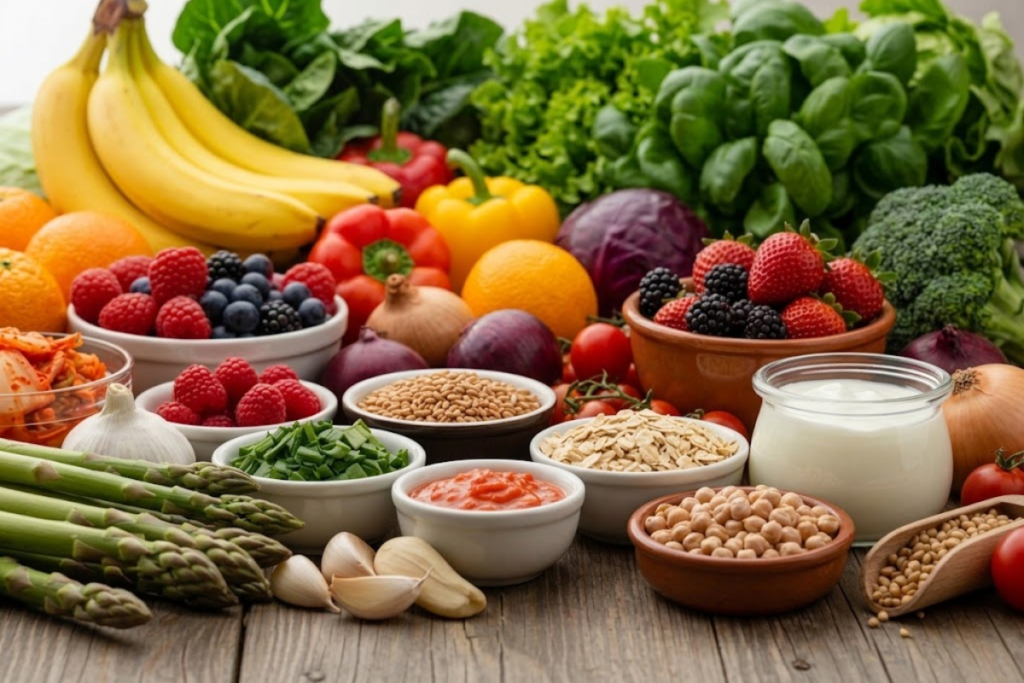
Your gut does much more than digest food. Inside your digestive tract lives a diverse community of microorganisms, including bacteria, fungi, and other microbes. Together, they form what is known as the gut microbiome.
These microorganisms participate in several important digestive processes. They help break down certain foods, interact with the intestinal environment, and contribute to functions connected with overall wellness.
Understanding the gut microbiome can help you make informed everyday choices about nutrition, digestion, and healthy lifestyle habits.
What Is the Gut Microbiome?
The gut microbiome is the community of microorganisms and their genetic material living throughout the digestive tract, particularly in the large intestine.
Many of these microorganisms are part of the body’s normal environment. Certain gut bacteria help break down dietary fiber that the human digestive system cannot fully digest on its own.
During this process, they produce substances called short-chain fatty acids, which help nourish cells in the colon and contribute to normal intestinal function.
Every person’s microbiome is unique. Diet, age, environment, and lifestyle habits can influence its composition over time.
How Does Your Gut Microbiome Connect to Overall Wellness?
The gut microbiome interacts with several systems in the body. Researchers continue to explore these connections and their role in overall health.
1. Digestion and Nutrient Processing
Gut microorganisms help process certain carbohydrates and fibers that pass through the digestive system without being fully digested.
This activity produces compounds that contribute to the intestinal environment and normal digestive functions.
Eating a variety of fiber-rich foods provides different sources of nourishment for gut microorganisms.
2. The Gut and Immune System
The digestive tract is closely connected to the immune system. Gut microorganisms interact with the intestinal barrier and contribute to the body’s relationship with the microbes in its environment.
A diverse gut microbiome is an important area of research in understanding digestive and immune health.
3. The Gut-Brain Connection
The gut and brain communicate through a network of pathways known as the gut-brain axis.
This communication involves the nervous system, hormones, immune signals, and substances produced by gut microorganisms.
Scientists continue to investigate how the microbiome may be connected to mood, stress, and other aspects of well-being.
4. Metabolism and Nutrient Use
Gut microorganisms help process nutrients and produce substances that participate in metabolic activity.
Research has identified connections between microbiome composition, dietary patterns, and metabolic health.
A varied eating pattern, regular movement, and consistent daily habits are practical parts of a balanced wellness routine.
5. Intestinal Function
The microorganisms in the gut contribute to processes that take place inside the digestive tract.
Their activity helps break down certain dietary components and produces substances that support the intestinal environment.
Fiber-rich foods are particularly valuable because they provide nourishment for many gut microorganisms.
10 Everyday Factors That May Influence Your Gut Microbiome
The composition and activity of gut microorganisms can change in response to several factors.
1. Dietary Variety
Eating a wide range of foods provides different nutrients and fiber sources for gut microorganisms.
Fruits, vegetables, legumes, nuts, seeds, and whole grains can all contribute to a varied eating pattern.
2. Low Fiber Intake
Dietary fiber serves as nourishment for many microorganisms in the digestive tract.
Consistently including too little fiber may influence the diversity and activity of the gut microbiome.
3. Fermented Food Choices
Some fermented foods contain live microorganisms that contribute to dietary microbial variety.
Yogurt with live cultures, kefir, kimchi, and certain fermented vegetables are examples of foods people include in their eating routines.
4. Hydration Habits
Water supports normal digestion and helps dietary fiber function effectively.
Drinking fluids regularly throughout the day is a simple habit that contributes to digestive wellness.
5. Physical Activity
Movement is connected with digestive function and general health.
Walking, cycling, swimming, and other enjoyable activities can help make an active lifestyle part of your daily routine.
6. Sleep Patterns
Sleep is important for many body functions, including those involved in digestion and metabolism.
Maintaining a consistent sleep schedule can be a valuable part of a balanced lifestyle.
7. Everyday Stress
The gut and brain communicate through several pathways, and stress can influence digestive function and everyday comfort.
Relaxing activities, outdoor walks, and manageable daily schedules can contribute to overall well-being.
8. Eating Schedules
Regular meal times can help establish a more consistent daily routine.
Including a variety of nutritious foods in your meals also provides different nutrients for the digestive system.
9. Age and Individual Differences
The gut microbiome changes throughout life. Age, environment, personal habits, and other individual factors can influence the types and activity of microorganisms in the digestive tract.
This is one reason why microbiome composition can differ considerably from one person to another.
10. Changes in Lifestyle
Travel, changes in eating patterns, variations in physical activity, and other routine changes may influence digestive habits and the gut environment.
Returning to consistent everyday habits can help support a balanced lifestyle.
How to Support a Healthy Gut Microbiome Naturally
Caring for your gut does not require complicated routines. Simple, consistent habits can help support digestive wellness.
1. Eat a Variety of Fiber-Rich Foods
Dietary fiber is an important source of nourishment for gut microorganisms.
Include foods such as:
- Oats and other whole grains.
- Beans, lentils, and chickpeas.
- Apples, berries, and bananas.
- Broccoli, carrots, and leafy vegetables.
- Nuts and seeds.
Try different sources throughout the week to add variety to your meals.
2. Include Suitable Fermented Foods
Some fermented foods contain live microorganisms and can add variety to your eating pattern.
Examples include:
- Yogurt with live and active cultures.
- Kefir.
- Kimchi.
- Sauerkraut.
- Certain fermented vegetables.
Choose options that match your food preferences and digestive comfort.
3. Drink Water Regularly
Water is an important part of normal digestive function. Keep water available during the day and include water-rich foods such as oranges, cucumbers, and watermelon in your meals.
4. Make Movement Part of Your Routine
Walking, cycling, swimming, dancing, and other activities you enjoy can help you maintain regular physical activity.
Choose a routine that fits your schedule and feels sustainable.
5. Maintain Consistent Sleep Habits
Try to keep regular sleep and wake times. A comfortable sleeping environment and a relaxing evening routine can also contribute to better rest.
6. Make Time to Relax
Enjoyable activities, breathing exercises, outdoor walks, and time away from daily responsibilities can help create a more balanced routine.
Understanding Probiotics and Prebiotics
Probiotics and prebiotics are two terms frequently associated with gut health, but they have different meanings.
Probiotics are live microorganisms that may provide health benefits when specific strains are consumed in appropriate amounts.
Prebiotics are ingredients, often certain types of dietary fiber, that serve as food for microorganisms in the digestive tract.
Both are widely discussed in digestive wellness. Their characteristics and potential effects depend on the specific ingredients and formulas involved.
Everyday foods such as yogurt, kefir, oats, onions, garlic, bananas, beans, and other fiber-rich choices can be part of a varied eating pattern.
Natural Supplements to Explore for Digestive Health
For those interested in learning more about digestive wellness products, several supplement categories are worth exploring.
Some options include:
- Probiotic supplements: Contain selected live microorganisms.
- Prebiotic formulas: Include ingredients that serve as food for certain gut microorganisms.
- Psyllium supplements: Provide a source of soluble fiber.
- Digestive wellness formulas: May combine different ingredients associated with digestive health.
Each product has its own formula, ingredients, and characteristics. Visit the official websites to explore product details, review the ingredients, and learn about the available options.
Comparing formulas can help you understand the different products available and identify options that match your personal wellness interests.
Building a Gut-Friendly Daily Routine
Your gut microbiome is a complex community that interacts with digestion and several aspects of overall wellness.
Eating a variety of fiber-rich foods, including suitable fermented foods, drinking water regularly, staying active, maintaining consistent sleep habits, and making time to relax are practical ways to care for your digestive routine.
There is no single food or supplement that guarantees a healthy microbiome. A varied diet and consistent lifestyle habits provide a practical foundation for long-term digestive wellness.
Small choices, repeated every day, can become valuable parts of a balanced approach to health.
Click on each supplement name above to learn more about the product on its official website.
👉Visit NatureRemedyShop.com to explore wellness products, compare available options, discover special offers, and learn more about supplements designed for different wellness goals.
Welcome!
Thank you for visiting NaturalSupplementWellness.com.
We’re delighted to have you here! Our mission is to provide educational information about natural supplements, wellness ingredients, and healthy living, helping you better understand the options available to support your wellness journey.
We hope you find our content informative and valuable as you explore natural wellness solutions.
If you found this article helpful, please consider sharing it so that more people can benefit from this information.
Thank you for trusting our content and being part of our community!
#GutMicrobiome #GutHealth #HealthyGutBacteria #DigestiveWellness #NaturalWellness