
Getting older does not automatically mean that digestive problems are inevitable.
However, digestive patterns can change throughout adulthood, and some concerns become more common later in life. Constipation, for example, affects a larger proportion of adults over 60 than the general adult population.
Many factors can influence digestive wellness after 50, including eating habits, hydration, physical activity, medications, supplements, and changes in daily routines.
The good news is that healthy lifestyle habits can play an important role in supporting digestive wellness.
This does not mean following an extreme diet or taking a large number of supplements. Instead, it means paying attention to nutrition, hydration, movement, regular routines, and changes in digestive patterns.
In this article, we will look at what may change with age and explore practical, evidence-based ways to support digestive wellness after 50.
What Really Changes With Digestive Health After 50?
It is important to avoid the idea that the digestive system suddenly stops working properly after a certain birthday.
Digestive health varies considerably from person to person. Some adults experience very few digestive concerns as they age, while others notice changes in bowel habits or food tolerance.
One of the more common concerns is constipation.
According to the National Institute on Aging, older adults may experience fewer bowel movements, harder or lumpy stools, or greater difficulty passing stool.
These changes can have many possible causes.
Dietary habits, reduced activity, insufficient fluid intake, changes in routine, medications, and certain health conditions can all contribute to constipation.
That is why digestive wellness after 50 should be viewed as a combination of nutrition, lifestyle, and awareness rather than one specific solution.
Why Fiber Becomes Especially Important
Fiber is one of the most useful nutrients to consider when supporting regular bowel habits.
The National Institute of Diabetes and Digestive and Kidney Diseases states that adults generally need around 22 to 34 grams of fiber per day, depending on age and sex.
Fiber can be found naturally in many everyday foods.
Good sources include:
- Oatmeal and other whole grains
- Beans and lentils
- Berries and other fruits
- Vegetables
- Nuts and seeds
Increasing fiber gradually can be more comfortable than making a sudden large change.
This gives the body time to adjust to the increased amount of fiber in the diet.
For adults who currently eat very little fiber, adding a variety of plant foods throughout the week can be a practical starting point.
Hydration and Digestive Wellness
Water is another important part of digestive wellness.
Fluids help fiber work properly and can help keep stools softer and easier to pass. Adequate hydration also supports overall health.
However, there is no single amount of water that is appropriate for every person.
Fluid needs can vary according to factors such as body size, health status, activity level, climate, and other individual circumstances.
Adults with certain medical conditions may also have specific fluid recommendations.
For that reason, people with individual medical restrictions should follow the guidance of their healthcare professional.
Choose More Whole Foods
A balanced eating pattern can provide many nutrients that support overall wellness.
For adults over 50, meals can include a variety of vegetables, fruits, whole grains, lean protein sources, nuts, seeds, and other nutrient-dense foods.
The National Institute on Aging recommends incorporating foods such as fruits and vegetables into meals and snacks and choosing a variety of nutritious foods as part of healthy eating in later adulthood.
Instead of focusing on one “superfood,” think about variety.
A colorful plate can provide different types of fiber, vitamins, minerals, and other nutrients.
Simple combinations might include oatmeal with berries, a vegetable-filled lunch with beans, or a dinner containing vegetables, whole grains, and a source of protein.
Stay Physically Active
Movement is another important part of a healthy lifestyle after 50.
Regular physical activity supports healthy aging and can also help with constipation. NIDDK specifically lists regular physical activity among the lifestyle measures that may help prevent or relieve constipation.
Walking is a simple option for many adults.
Other activities may include swimming, cycling, dancing, strength exercises, stretching, or other forms of movement that fit an individual’s abilities and preferences.
The most important goal is consistency.
Someone who enjoys walking for 20 minutes may be more likely to maintain that routine than someone who chooses an activity they dislike.
Pay Attention to Your Daily Routine
Digestive habits can also be influenced by changes in routine.
Travel, changes in eating patterns, reduced activity, or ignoring the urge to have a bowel movement can affect regularity.
Creating a consistent daily routine may make it easier to notice changes.
For example, some people benefit from allowing enough time in the morning rather than rushing through the day.
The goal is not to force a bowel movement at a particular time.
Instead, it is about creating regular opportunities to listen to the body’s natural signals.
Medications and Supplements Can Affect Digestion
One important topic that should not be overlooked after 50 is medication use.
Some medications can contribute to constipation. NIDDK and the National Institute on Aging list several categories, including certain antacids, some blood-pressure medications, diuretics, certain pain medicines, and iron supplements.
This does not mean that someone should stop taking a prescribed medication.
Never discontinue or change prescribed medication without discussing it with a healthcare professional.
If digestive changes begin after starting a medication or supplement, it can be useful to mention the change to a doctor or pharmacist.
What About Probiotics After 50?
Probiotics are another popular topic in digestive wellness.
Some foods contain live microorganisms, including certain yogurts and fermented foods.
However, probiotics are not a universal solution for every digestive concern.
Different probiotic products can contain different microorganisms and strains, and their effects can vary.
That means it is better to approach probiotic supplements thoughtfully rather than assuming that any product will provide the same benefit.
For someone considering a probiotic supplement, discussing the choice with a healthcare professional can be especially useful when medications, chronic conditions, or ongoing digestive symptoms are involved.
Common Myths About Gut Health After 50
There are many exaggerated claims about digestive health online.
One common myth is that digestive problems are simply an unavoidable part of getting older.
That is not accurate.
Although some digestive concerns become more common with age, they can have many different causes and should not automatically be dismissed as normal aging.
Another misconception is that a complicated detox program is necessary to “clean” the digestive system.
Healthy digestion does not require extreme detox routines.
A balanced diet, adequate fluids, regular movement, and appropriate medical care are much more sensible foundations for digestive wellness.
A third myth is that everyone needs the same digestive supplement.
Individual needs differ, and supplements can sometimes cause side effects or interact with medications.
A Simple Digestive Wellness Routine After 50
Supporting digestive wellness does not have to become complicated.
A practical daily routine could include:
Morning
Start the day with a balanced breakfast that contains a source of fiber.
Oatmeal with berries and nuts is one simple example.
Drink fluids throughout the day according to your individual needs.
During the Day
Include vegetables, fruits, whole grains, beans, nuts, and seeds regularly.
Choose meals that provide a variety of nutrients instead of relying on one food.
Try to stay physically active.
Even regular walking can be a useful way to add movement to the day.
Evening
Pay attention to how different meals make you feel.
Keep a simple food and symptom journal if you notice recurring digestive changes.
This can provide useful information to discuss with a healthcare professional.
When Should You Talk to a Doctor?
Digestive symptoms should not always be treated as something to manage at home.
Persistent or significant changes deserve professional attention.
For example, NIDDK notes that doctors may investigate bowel changes by asking about symptoms, medications, supplements, diet, activity, and other aspects of health.
Seek medical guidance if digestive symptoms persist, become severe, or are accompanied by concerning signs such as bleeding, significant pain, unexplained weight changes, or other unusual symptoms.
Older adults should be especially cautious about assuming that a new or persistent digestive problem is simply part of aging.
A healthcare professional can help determine whether a symptom is related to diet and lifestyle or whether another cause needs to be investigated.
The Bottom Line
Gut health after 50 is not about finding one perfect food, supplement, or detox program.
It is about creating a lifestyle that supports overall digestive wellness.
Eating enough fiber, drinking adequate fluids, choosing a variety of nutritious foods, staying physically active, maintaining regular routines, and paying attention to changes can all be useful parts of that approach.
Digestive health can change with age, but that does not mean discomfort should automatically be accepted as inevitable.
The best approach is to focus on realistic habits, understand your individual needs, and seek professional advice when symptoms are persistent or concerning.
A healthy digestive routine is not about perfection.
It is about consistency, awareness, and making supportive choices that fit your life.
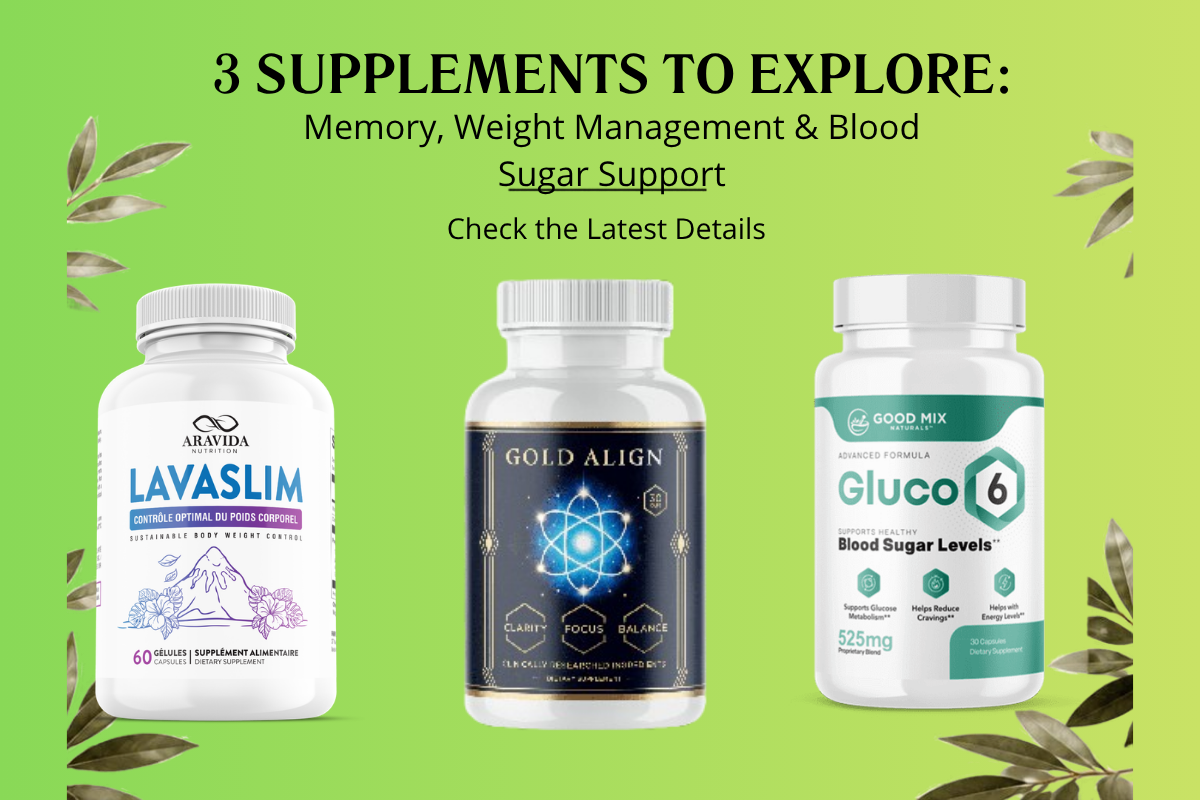
Digestive Wellness Supplements to Explore
Visit the official website of each supplement to learn more about its ingredients, formula, and product information.
Explore Natural Wellness Options
Healthy habits, balanced nutrition, and lifestyle choices are important parts of overall wellness. Some people also explore natural supplements as part of their daily routines.
At NatureRemedyShop.com, you can discover supplement options across multiple wellness categories, including weight management, digestive wellness, energy support, beauty, joint care, and other areas of everyday health
👉Visit NatureRemedyShop.com to explore wellness products, compare available options, discover special offers, and learn more about supplements designed for different wellness goals.
Welcome!
Thank you for visiting NaturalSupplementWellness.com.
We’re delighted to have you here! Our mission is to provide educational information about natural supplements, wellness ingredients, and healthy living, helping you better understand the options available to support your wellness journey.
We hope you find our content informative and valuable as you explore natural wellness solutions.
If you found this article helpful, please consider sharing it so that more people can benefit from this information.
Thank you for trusting our content and being part of our community!