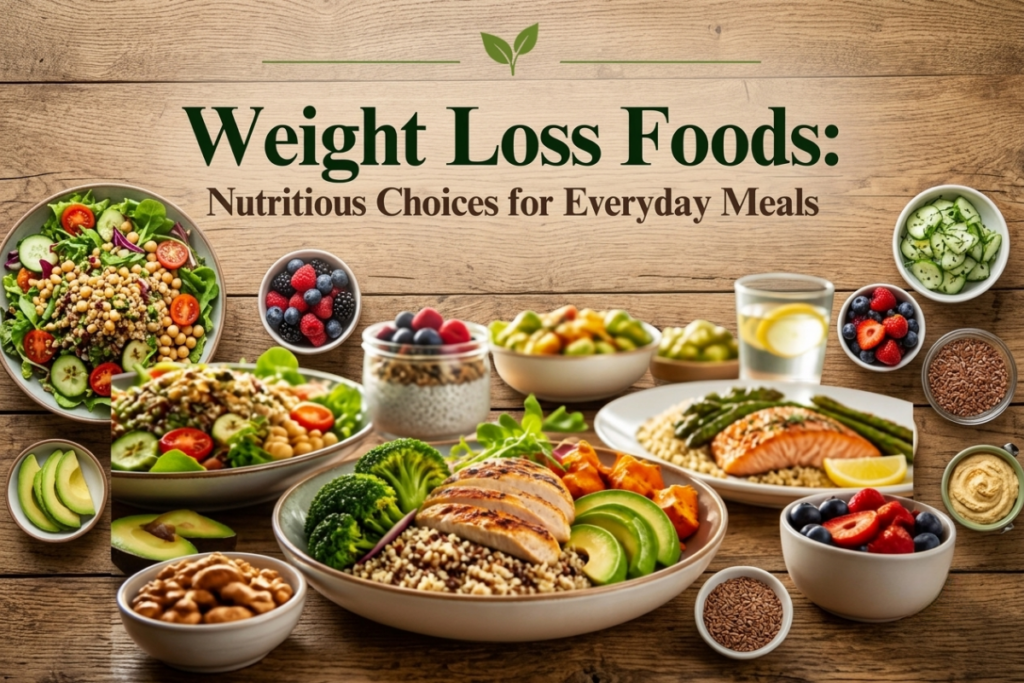
Choosing nutritious foods is an important step toward creating a balanced eating routine that can be maintained over time. For many people focused on weight management, the quality of their food choices can be just as important as portion awareness.
Healthy foods can provide essential nutrients while helping create meals that are enjoyable, satisfying, and full of variety. A balanced approach usually includes different food groups such as protein sources, vegetables, fruits, whole grains, and healthy fats.
A healthy lifestyle does not require removing entire food categories or following extreme eating patterns. Instead, it focuses on making consistent choices and building habits that fit naturally into everyday life.
In this guide, you will discover different nutritious food options, learn about important food groups, and explore ways to combine ingredients into balanced meals.
What Makes a Food a Healthy Choice?
Nutritious foods are those that provide valuable nutrients and can be included as part of a balanced eating pattern.
Common characteristics of healthy food choices include:
- Protein-rich ingredients;
- Foods with natural fiber;
- Fruits and vegetables;
- Whole grain options;
- Healthy fat sources;
- Less processed ingredients.
Creating meals with different types of foods can add more variety to your routine and help you enjoy a wider range of flavors and textures.
Protein-Rich Foods for Balanced Meals
Protein sources can be an important part of many meals throughout the day. Combining protein with vegetables, quality carbohydrates, and healthy fats can create more complete meal options.
Chicken and Turkey
Lean poultry is a versatile ingredient that can be used in many different recipes.
Examples include:
- Chicken salads;
- Turkey wraps;
- Grain bowls;
- Healthy dinner plates.
These options can be prepared in different ways and combined with a variety of nutritious ingredients.
Fish and Seafood
Fish and seafood can add variety to a balanced eating routine.
Examples include:
- Salmon;
- Tuna;
- Cod;
- Shrimp.
These ingredients can be prepared in many ways, including grilled, baked, or combined with vegetables and whole grains.
Eggs and Dairy Options
Eggs and dairy products are commonly included in many balanced meal ideas.
Examples include:
- Eggs;
- Greek yogurt;
- Cottage cheese;
- Plain yogurt.
These foods can be used for breakfast recipes, snacks, and simple meal combinations.
Plant-Based Protein Choices
Plant-based protein foods can provide additional variety for different meal preferences.
Examples include:
- Lentils;
- Chickpeas;
- Beans;
- Tofu;
- Quinoa.
Including different protein sources can help create more diverse and interesting meals.
Fiber-Rich Foods

Fiber-Rich Foods for a Balanced Eating Routine
Foods that contain fiber can be an important part of a varied and nutritious eating pattern. Many natural foods provide fiber along with different flavors, textures, and nutrients that can add variety to everyday meals.
Vegetables
Vegetables are versatile ingredients that can be included in breakfasts, lunches, dinners, and snacks.
Examples include:
- Broccoli;
- Spinach;
- Carrots;
- Brussels sprouts;
- Cauliflower.
Adding different vegetables to meals can create more colorful and interesting food combinations.
Fruits
Fruits are a convenient way to add natural flavor and variety to daily meals.
Examples include:
- Apples;
- Berries;
- Oranges;
- Pears;
- Kiwi.
They can be enjoyed alone or added to breakfast bowls, smoothies, snacks, and other recipes.
Legumes
Legumes are versatile ingredients that can be used in many different dishes.
Examples include:
- Beans;
- Lentils;
- Chickpeas.
They can be added to soups, salads, bowls, and other balanced meal ideas.
Healthy Carbohydrate Choices
Carbohydrates can be included as part of a balanced eating routine. Choosing quality sources can help create meals with more variety and satisfying combinations.
Whole Grain Foods
Whole grains are commonly used in many everyday recipes.
Examples include:
- Oats;
- Brown rice;
- Quinoa;
- Whole grain bread;
- Whole wheat pasta.
These ingredients can be paired with vegetables and protein sources to create balanced meals.
Sweet Potatoes
Sweet potatoes are a flexible ingredient that works well in many recipes.
They can be included in:
- Lunch bowls;
- Dinner plates;
- Side dishes;
- Meal preparation recipes.
Fruits as Nutritious Carbohydrate Sources
Fruits can provide natural sweetness and can be included in many types of meals.
Examples include:
- Bananas;
- Apples;
- Berries;
- Mango;
- Pineapple.
They can be added to smoothies, yogurt combinations, snacks, and breakfast recipes.
Healthy Fat Sources
Healthy fats can bring additional flavor and texture to meals. Including different sources can help create more enjoyable and varied recipes.
Avocado
Avocado is a popular ingredient that can be added to many dishes.
Examples include:
- Salads;
- Toast;
- Wraps;
- Meal bowls.
Nuts and Seeds
Examples include:
- Almonds;
- Walnuts;
- Chia seeds;
- Flaxseeds;
- Pumpkin seeds.
These ingredients can be added to oatmeal, smoothies, yogurt bowls, and salads.
Olive Oil
Olive oil is commonly used in cooking and homemade dressings.
It can add flavor to:
- Vegetables;
- Salads;
- Roasted dishes.
Foods for Balanced Everyday Meals
Creating Balanced Meals with Nutritious Foods
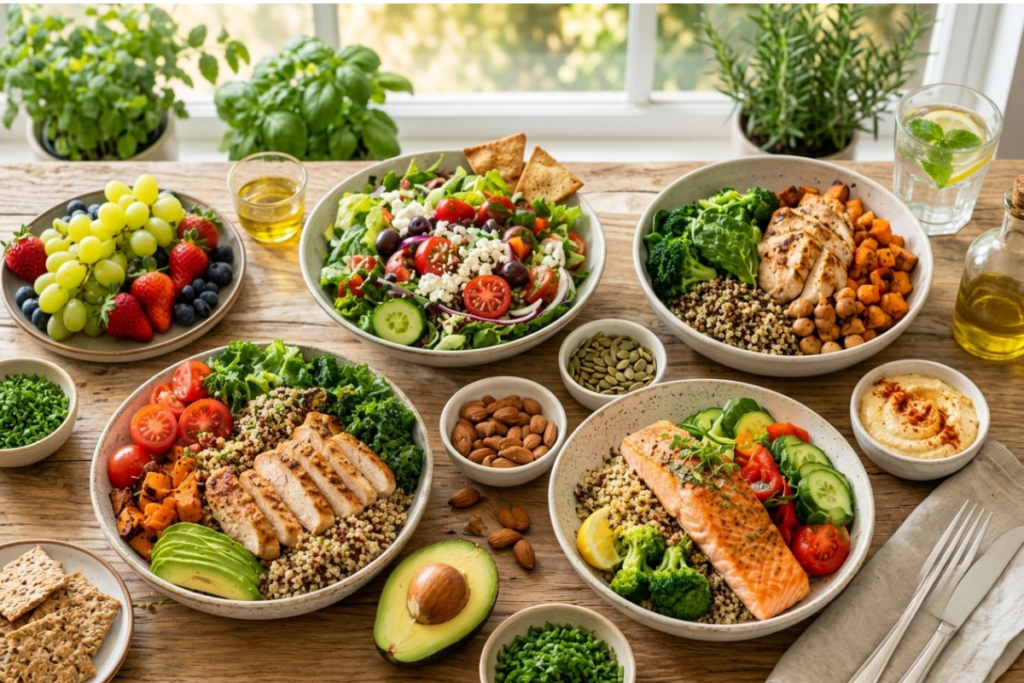
Combining different types of foods can help create meals that are more complete, flavorful, and satisfying. A balanced meal usually includes a combination of protein sources, vegetables, nutritious carbohydrates, and healthy fats.
A simple meal formula can include:
Protein + Vegetables + Quality Carbohydrates
Examples:
- Grilled chicken with vegetables and brown rice;
- Salmon with sweet potato and broccoli;
- Turkey with quinoa and fresh salad.
Healthy Breakfast Combinations
Starting the day with nutritious ingredients can help create a positive eating routine.
Examples:
- Greek yogurt combined with berries and oats;
- Eggs with vegetables and whole grain toast;
- Smoothies made with fruit, yogurt, and seeds.
Healthy Lunch Combinations
Balanced lunches can be simple while still including a variety of ingredients.
Examples:
- Chicken salad bowl;
- Tuna wrap with vegetables;
- Lentil and vegetable bowl.
Healthy Dinner Combinations
Dinner recipes can include different food groups without requiring complicated preparation.
Examples:
- Baked fish with vegetables;
- Turkey quinoa bowl;
- Tofu stir-fry with vegetables.
How to Create a Balanced Plate
Building a nutritious plate can become easier when thinking about the role of each food group.
A simple approach includes:
Add Plenty of Vegetables
Vegetables can provide color, variety, and important nutrients to meals.
Examples:
- Leafy greens;
- Broccoli;
- Carrots;
- Peppers.
Include a Protein Source
Protein ingredients can be added through different foods.
Examples:
- Chicken;
- Fish;
- Eggs;
- Beans;
- Tofu.
Choose Quality Carbohydrates
Nutritious carbohydrate options can add energy and variety to balanced meals.
Examples:
- Brown rice;
- Quinoa;
- Sweet potato;
- Whole grains.
Add Healthy Fats
Healthy fats can improve flavor and create more complete meal combinations.
Examples:
- Avocado;
- Olive oil;
- Seeds;
- Nuts.
Simple Meal Ideas for Everyday Nutrition
Healthy meals do not need to be complicated. Combining a few nutritious ingredients can create practical options for different times of the day.
Breakfast Ideas
Greek Yogurt Breakfast Bowl
Combine:
- Greek yogurt;
- Berries;
- Oats;
- Chia seeds;
- Nuts.
A simple combination for a balanced morning meal.
Vegetable Egg Breakfast
Combine:
- Eggs;
- Spinach;
- Tomatoes;
- Whole grain toast;
- Avocado.
A flavorful option that includes different food groups.
Lunch Ideas
Chicken Grain Bowl
Combine:
- Grilled chicken;
- Quinoa or brown rice;
- Mixed vegetables;
- Olive oil dressing.
Salmon Salad Bowl
Combine:
- Salmon;
- Leafy greens;
- Cucumbers;
- Tomatoes;
- Avocado.
Dinner Ideas
Turkey Vegetable Plate
Combine:
- Turkey;
- Roasted vegetables;
- Sweet potato.
Lentil Vegetable Bowl
Combine:
- Lentils;
- Vegetables;
- Whole grains;
- Healthy seasonings.
Healthy Snack Combinations
Simple snacks can be convenient additions to a balanced routine.
Examples:
- Apple with natural peanut butter;
- Greek yogurt with fruit;
- Nuts with fresh fruit;
- Vegetables with hummus.
Frequently Asked Questions
What foods are good choices for a healthy weight management routine?
Nutritious food choices include protein sources, vegetables, fruits, whole grains, and healthy fats. Combining different food groups can help create balanced and enjoyable meals.
Do healthy eating habits require avoiding certain foods?
A balanced lifestyle does not always require removing specific foods. Many people focus on variety, mindful choices, and consistent habits.
Can carbohydrates be included in a healthy lifestyle?
Yes. Quality carbohydrate sources such as whole grains, fruits, vegetables, and minimally processed foods can be part of balanced meals.
How can I make healthier food choices every day?
Planning meals, preparing ingredients ahead, keeping nutritious foods available, and exploring different food groups can make healthy choices easier.
Can supplements be part of a wellness routine?
Some people choose to include supplements as part of their lifestyle. Supplements are generally used alongside balanced nutrition and healthy daily habits.
Supplements That May Complement Your Wellness Routine
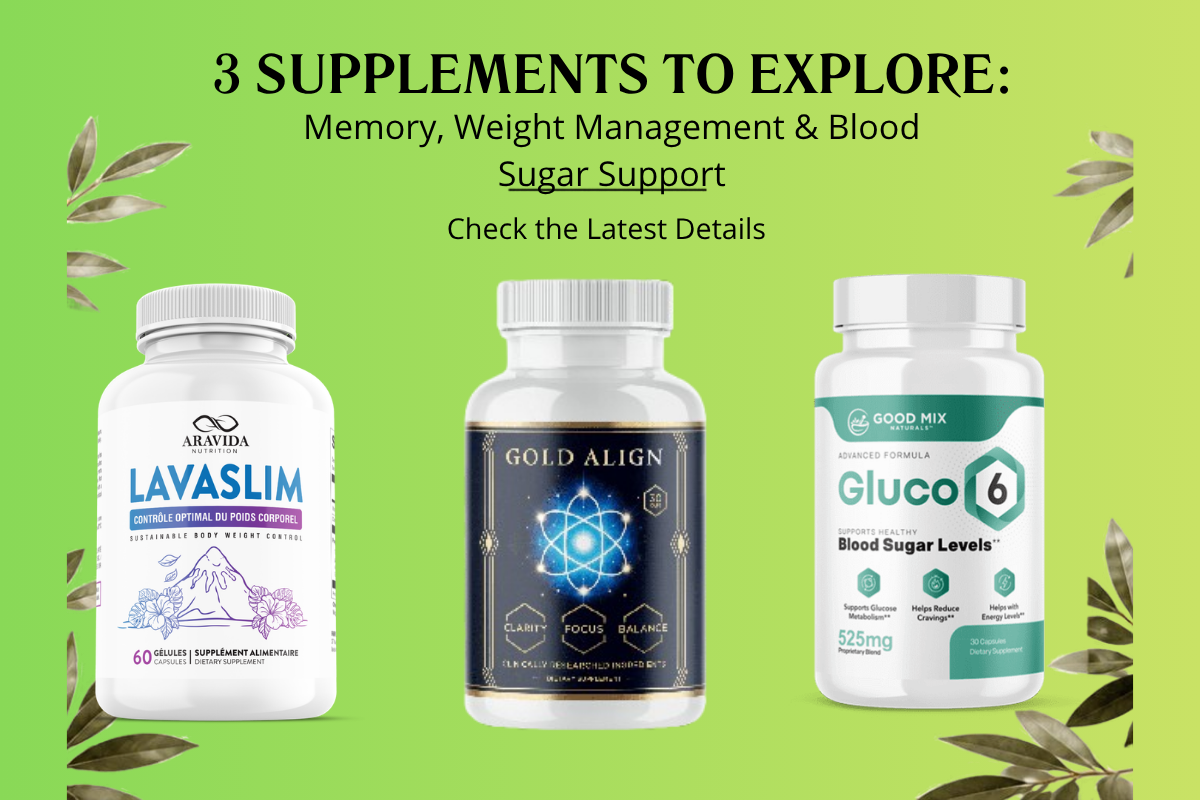
The healthy eating tips shared in this guide can be combined with other wellness strategies. Some people also choose to learn more about natural dietary supplements as part of their daily wellness routine.
If you’d like to explore these options further, click on any of the supplements below to visit the official website and learn more about the ingredients, product information, recommended use, and other details provided by the manufacturer.
Before making any decision, always review the information available on the official website to determine whether the product is suitable for your personal wellness goals.
Final Thoughts
Choosing nutritious foods is an important part of creating a balanced and sustainable lifestyle.
Healthy eating is not about extreme restrictions. It is about building meals with quality ingredients, variety, and consistent habits that can be maintained over time.
Including protein sources, vegetables, fruits, whole grains, and healthy fats can make everyday meals more enjoyable and practical.
Small daily choices, meal planning, and mindful food decisions can help create healthier habits that support long-term wellness.
Explore Natural Wellness Options
Healthy habits, balanced nutrition, and lifestyle choices are important parts of overall wellness. Some people also explore natural supplements as part of their daily routines.
At NatureRemedyShop.com, you can discover supplement options across multiple wellness categories, including weight management, digestive wellness, energy support, beauty, joint care, and other areas of everyday health.
👉 Visit NatureRemedyShop.com to explore wellness products, compare available options, discover special offers, and learn more about supplements designed for different wellness goals.
Welcome!
Thank you for visiting NaturalSupplementWellness.com.
We’re delighted to have you here! Our mission is to provide educational information about natural supplements, wellness ingredients, and healthy living, helping you better understand the options available to support your wellness journey.
We hope you find our content informative and valuable as you explore natural wellness solutions.
If you found this article helpful, please consider sharing it so that more people can benefit from this information.
Thank you for trusting our content and being part of our community!