
Many people begin a weight loss journey with motivation and clear goals, but over time they may feel like their progress has slowed down or stopped. This experience is common and can make it difficult to stay consistent.
When weight loss feels stuck, it does not always mean that your efforts are not working. The body changes over time, and many factors such as habits, nutrition, activity levels, sleep, and stress can influence progress.
Instead of searching for extreme solutions, focusing on simple and sustainable changes can help you rebuild healthy routines and continue moving forward.
For more practical strategies to support healthy weight management, explore our article: How to Lose Weight Naturally: Healthy Habits That Really Work.
In this guide, you will discover practical ways to restart your weight loss journey and create habits that support long-term weight management.
Add More Daily Movement
Physical activity is an important part of a healthy lifestyle.
If you feel stuck, consider adding more movement to your daily routine. This does not always require intense workouts.
Walking, stretching, cycling, strength exercises, and other enjoyable activities can help you stay active and support overall wellness.
Learn more about healthy strategies for weight management in our article: How to Lose Belly Fat Naturally: Healthy Habits That Support Weight Management.
Finding activities you enjoy can make it easier to create habits that last.
Improve Your Sleep Routine
Sleep is an important part of overall health and weight management.
Poor sleep can affect energy levels, motivation, and daily choices.
Creating a consistent bedtime routine, reducing distractions before sleep, and prioritizing quality rest can support healthier habits.
Manage Stress and Emotional Challenges
Stress can influence many areas of wellness, including eating habits and motivation.
When people feel stressed, they may find it harder to maintain healthy routines.
Practices such as spending time outdoors, relaxing activities, breathing exercises, and connecting with others can help create better balance.
Taking care of your mental and emotional wellness is part of a healthy lifestyle.
Set Smaller and Realistic Goals
Large goals can sometimes feel overwhelming.
Breaking your progress into smaller steps can make your journey feel more achievable.
Examples of realistic goals include:
- preparing healthier meals;
- drinking more water;
- walking more often;
- improving sleep habits;
- creating a consistent routine.
Small improvements can build confidence and encourage long-term progress.
Avoid Quick Fixes
When progress slows down, many people look for fast solutions.
However, extreme diets and unrealistic promises are often difficult to maintain.
A healthier approach focuses on habits that support your body and fit your lifestyle.
Building a strong foundation takes time, but sustainable choices can create lasting benefits.
Stay Patient With Your Journey
Every person’s experience with weight management is different.
Progress may happen at different speeds, and comparing your journey to others can create unnecessary frustration.
Focus on your own habits, celebrate improvements, and continue making choices that support your wellness.
Conclusion
Feeling stuck during a weight loss journey is a common experience, but it does not mean you need to give up.
By reviewing your habits, improving nutrition, staying active, managing stress, and creating realistic goals, you can continue building a healthier lifestyle.
Weight management is not about quick changes. It is about creating daily habits that support your body and long-term wellness.
Remember that small steps can lead to meaningful progress over time.
Explore Natural Wellness Options
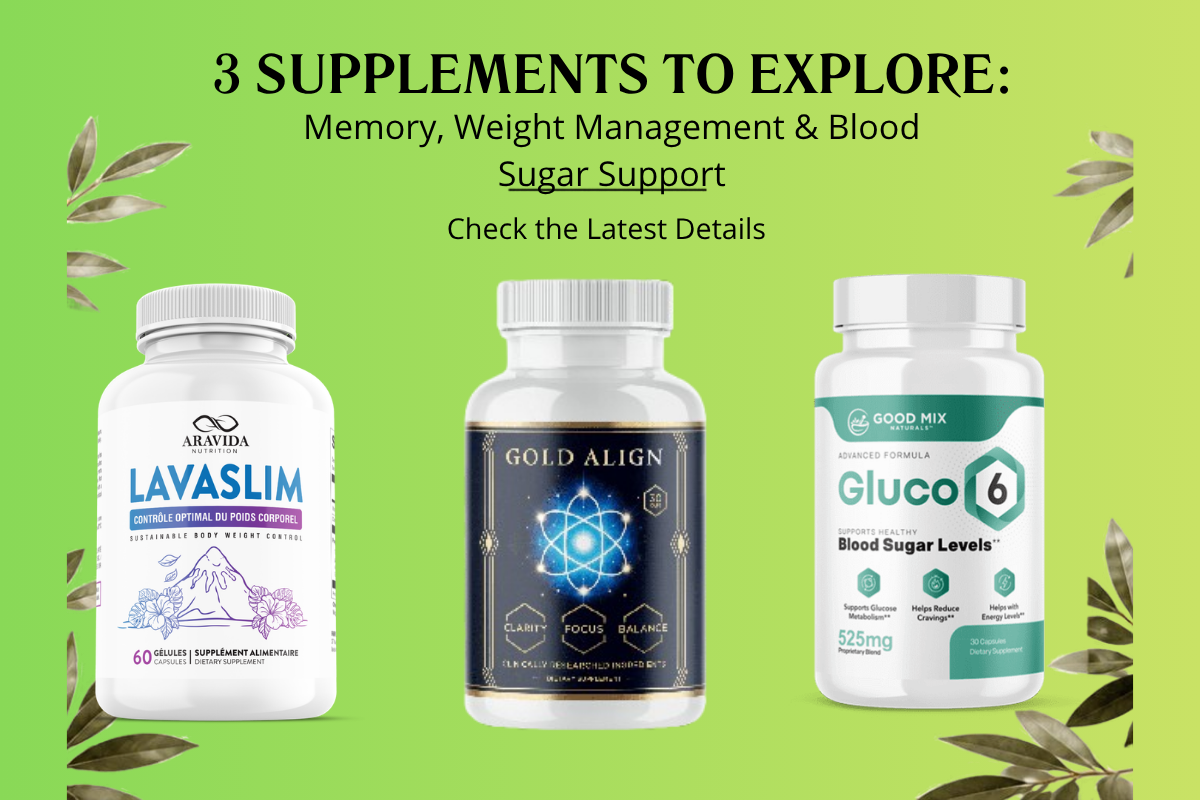
Healthy habits, balanced nutrition, and lifestyle choices are important parts of overall wellness. Some people also explore natural supplements as part of their daily routines.
At NatureRemedyShop.com, you can discover supplement options across multiple wellness categories, including weight management, digestive wellness, energy support, beauty, joint care, and other areas of everyday health.
👉 Visit NatureRemedyShop.com to explore wellness products, compare available options, discover special offers, and learn more about supplements designed for different wellness goals.
Welcome!
Thank you for visiting NaturalSupplementWellness.com.
We’re delighted to have you here! Our mission is to provide educational information about natural supplements, wellness ingredients, and healthy living, helping you better understand the options available to support your wellness journey.
We hope you find our content informative and valuable as you explore natural wellness solutions.
If you found this article helpful, please consider sharing it so that more people can benefit from this information.
Thank you for trusting our content and being part of our community!